Description
Overview
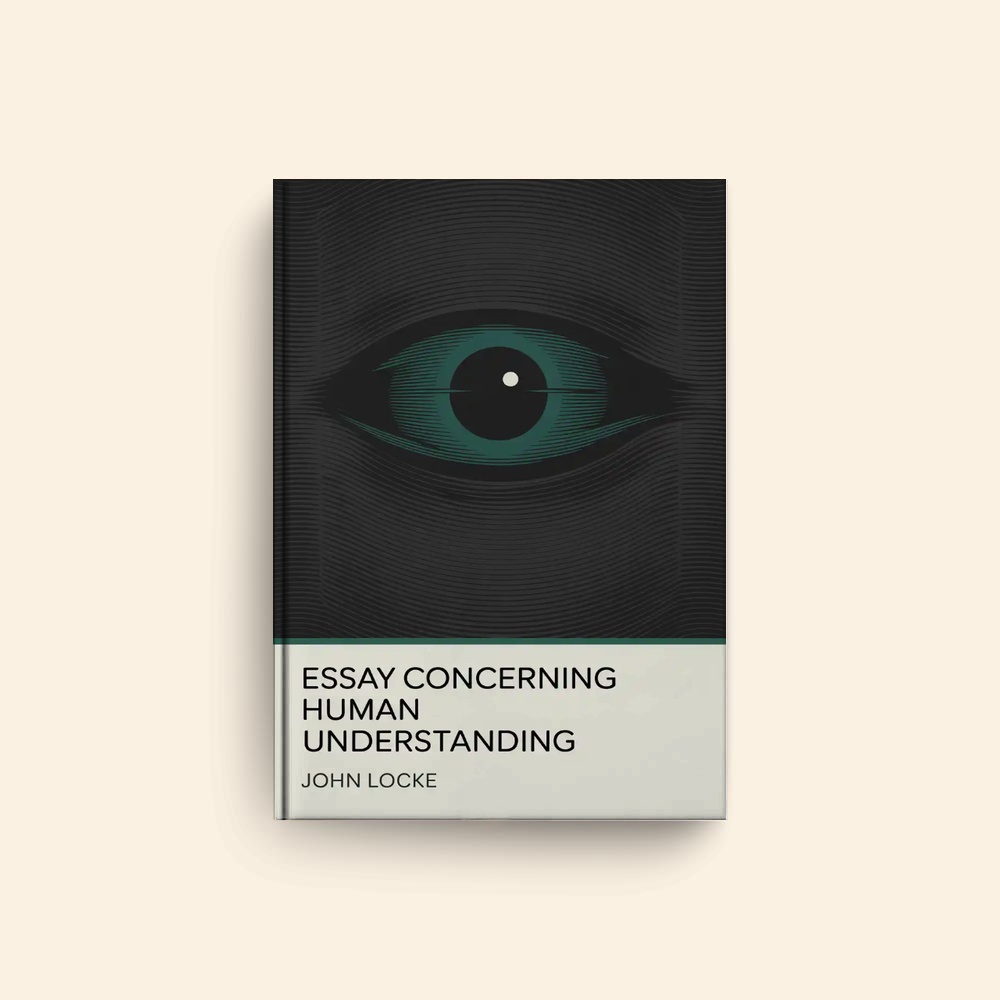
“Essay Concerning Human Understanding” is a seminal work by John Locke, first published in 1690. This masterpiece is a cornerstone in the field of philosophy, providing a comprehensive exploration of human cognition and the limitations and capacities of human understanding.
Key Themes
- Empiricism: Locke argues that knowledge comes fundamentally from sensory experience.
- Tabula Rasa: The concept that the human mind starts as a blank slate, shaped by experience.
- Personal Identity: An exploration of consciousness and the self over time.
- Language: The role of language in shaping human understanding and communication.
Why Read This Book?
Locke’s “Essay Concerning Human Understanding” is essential for anyone seeking to understand the roots of modern philosophy and the development of thought regarding human cognition. Its influence extends beyond philosophy, impacting psychology, education, and the social sciences.
About the Author
John Locke was a 17th-century English philosopher and physician, widely regarded as one of the most influential Enlightenment thinkers. His contributions to philosophy, particularly in the areas of epistemology and political theory, have left an indelible mark on Western thought.
Add “Essay Concerning Human Understanding” to your collection and embark on a thought-provoking journey through the human mind with one of history’s greatest philosophers.